
As technology continues to advance at lightning speed, smart home technologies are becoming more than just a luxury, they are becoming essential amenities for tech-savvy renters. By 2025, property managers and multifamily developers will need to stay ahead of the curve to meet the growing demand for intelligent, tech-enabled living spaces. From voice-activated controls to automated security systems, smart home technologies are reshaping the future of apartment living. In this article, we’ll explore the top smart home features renters will demand in 2025 and how multifamily properties can integrate these technologies to attract tech-savvy residents. To further enhance your property’s appeal, showcasing these efforts through compelling visuals like photos and videos can further amplify your message and resonate with eco-conscious and tech-minded audiences.
1. Voice-Activated Smart Home Controls
Voice-activated assistants like Amazon’s Alexa, Google Assistant, and Apple’s Siri have already become household staples, and by 2025, renters will expect seamless integration of these systems in their apartments. From controlling lights and adjusting thermostats to setting reminders or even ordering groceries, voice-activated controls are transforming the way residents interact with their living spaces.
Property managers can enhance the appeal of their units by offering apartments with built-in voice-controlled systems that allow residents to manage everything from entertainment to energy usage simply by speaking. Whether it’s adjusting the room temperature before bed or playing music while cooking, voice-activated smart home technology offers both convenience and a futuristic living experience.
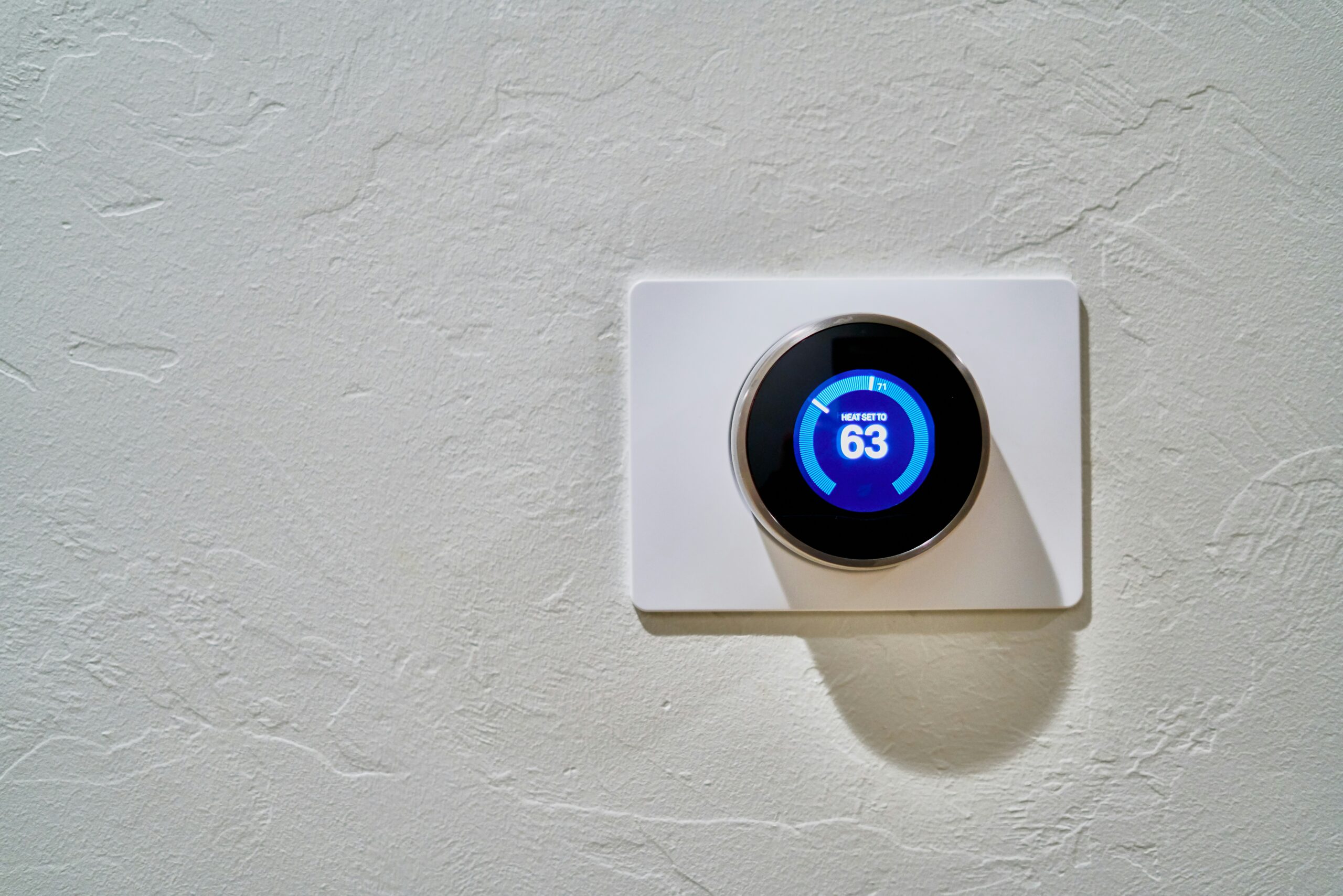
2. Smart Thermostats for Energy Efficiency
Energy efficiency is a top priority for renters who are not only looking to reduce their environmental impact but also cut down on utility bills. Smart thermostats like Nest and Ecobee will become a standard feature in apartments by 2025. These devices learn residents’ preferences over time and adjust temperatures automatically based on their habits, optimizing comfort while minimizing energy usage.
Beyond convenience, smart thermostats allow renters to monitor and control their energy usage from their smartphones. For property owners, offering energy-efficient features like smart thermostats not only appeals to eco-conscious renters but can also help reduce overall building energy costs, making it a win-win.