

Multifamily 3D Renderings: How to Create Stunning Visuals for Your Property Development
Apartment 3D renderings and animations have become a key component in showcasing real estate developments. These visuals can be incredibly realistic, providing a lifelike view of a property before it’s even built. But what’s the process of creating these stunning visuals? How do you move from initial designs to the final product?
In this guide, we’ll walk you through the steps of creating high-quality 3D renderings and explain how we at Show My Property collaborate with you to bring your vision to life.
The Main Steps in Creating a 3D Apartment Rendering
-
Initial Plans & Camera Angles
The journey starts with your vision. Together with your design team, we’ll determine the best camera angles for the renderings based on the layout and purpose of the space. The right camera angles are essential for conveying the essence of your property and showing it in the best light. -
Creating 3D Grey Geometry
We use advanced software to create a “grey” model—a wireframe of your apartment or property. At this stage, the basic structure, dimensions, and proportions are defined. It’s like laying the foundation for a virtual building. -
Textures and Lighting
Once the grey geometry is set, we start applying textures and lighting. Textures such as wall finishes, flooring, and window treatments are added, bringing the space to life. Lighting is a crucial part of this step, as it helps create the ambiance and mood of the scene. With advancements in AI and lighting simulation tools, we now have more realistic lighting and shadow effects that can mimic real-world conditions—whether it’s natural daylight or artificial lighting. -
Interior Design & Final Touches
The final step is to add the finishing details—furniture, decor, and other interior elements. Here, we work with you to ensure that every detail aligns with your brand and design aesthetics. This is where the property truly comes to life with its personality.
How to Choose the Best Camera Angles for Your 3D Apartment Renderings
Choosing the right camera angles is crucial in showcasing your property effectively. Here are some current tips and strategies to ensure you select the best angles for your renderings:
-
Consider the Location and Environment
The context of the image is essential. Consider how the surrounding environment—whether cityscape, suburban, or scenic views—will affect the feeling of the space. Does your property look its best during the day or at night? Is there a significant feature like a park, water view, or skyline that should be highlighted? The time of day and weather conditions can also influence the overall mood. -
Focus on the Key Features
Identify which parts of your property you want to highlight, such as the grand entrance, the lobby, spacious balconies, or panoramic windows. Each part of the apartment or building can evoke a different response, and different angles will showcase them in various ways. Consider the features that resonate most with potential residents and prospects. -
Set the Tone of the Image
Camera angles can evoke various emotions and moods. For example:-
Eye-Level Shots: These are perfect for giving a realistic, neutral view of the space, ideal for layout and dimension.
-
Low Angle Shots: These are dramatic and can showcase the building’s height and grandeur. They work well for emphasizing the entrance or exterior features.
-
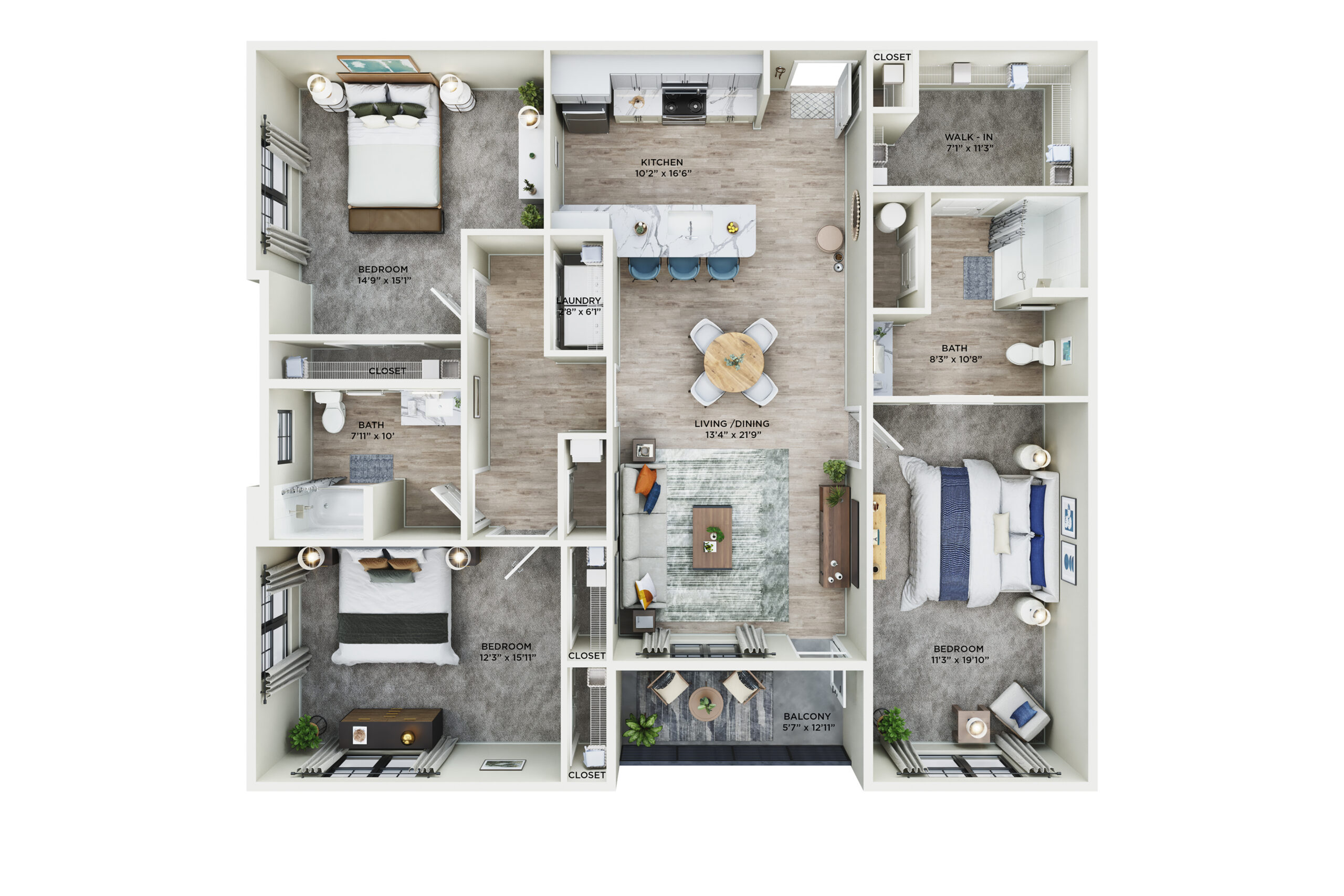
High Angle Shots: These offer a comprehensive view of a space, ideal for showing off floor layouts or the relationship between different areas.
-
Straight-On Shots: These provide a powerful, symmetrical view, often used to highlight the beauty and design balance of a particular space.
-
Choosing the right angle is essential for conveying the right message to your audience. Make sure to work with your 3D artist to finalize the perfect shots that capture your vision.
Why Communication is Key in the 3D Rendering Process
Creating a captivating 3D rendering requires close collaboration between you and the 3D artist. It’s not just about sending a list of requirements; it’s about communicating your vision clearly and frequently. The more detailed you are with your vision, the closer we can get to capturing the essence of your property.
Here are some questions to consider before starting the rendering process:
-
What emotions do you want to evoke in potential renters?
-
What colors, textures, and lighting will convey the desired mood?
-
Do you want the renderings to look hyper-realistic or more artistic and conceptual?
-
Which aspects of the property will resonate most with your target audience?